Mara Baumann · 24 September 2026
Exploring Interconnections Between Hosting Parameter Adjustments and Enduring Audience Reach Patterns
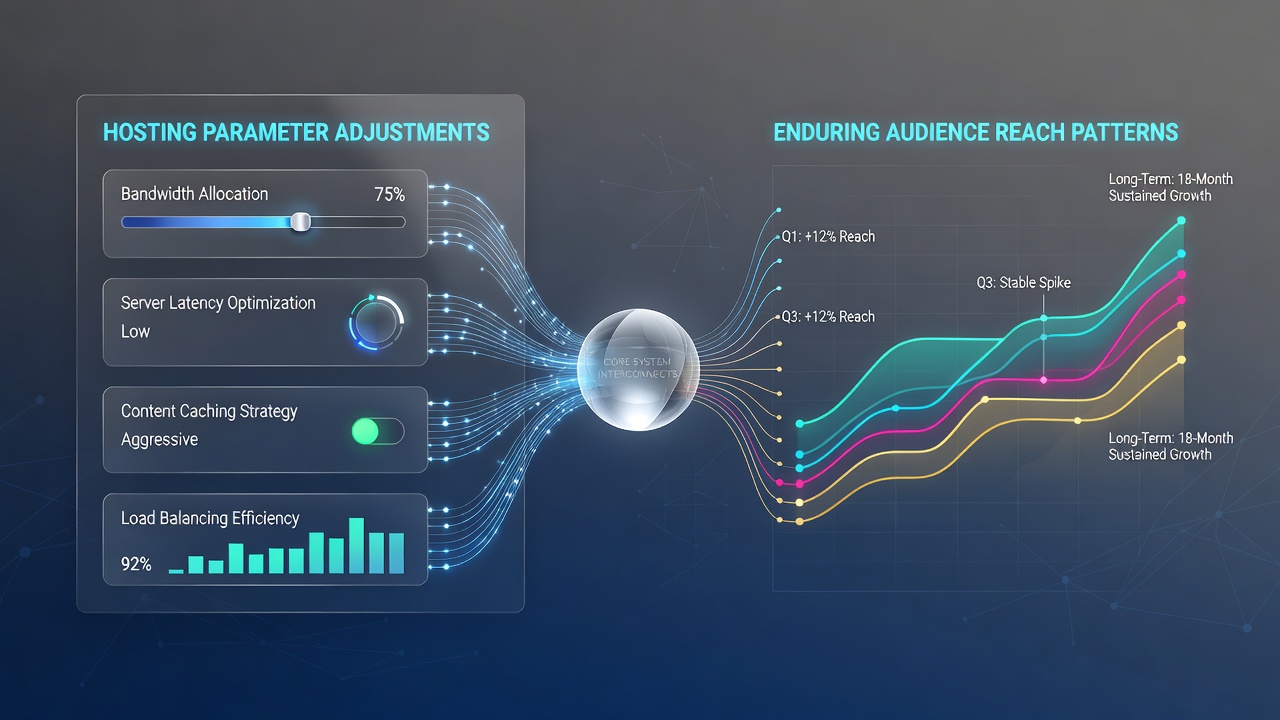
Hosting parameter adjustments involve modifications to server configurations, including response time thresholds, uptime guarantees, caching protocols, and geographic server distribution, while enduring audience reach patterns refer to sustained metrics such as repeat visitor rates, session duration averages, and organic search visibility over extended periods. These elements connect through measurable pathways where technical settings influence how search algorithms evaluate site performance and how users interact with content delivery speed.
Core Hosting Parameters That Shape Reach Dynamics
Server location choices determine latency levels for users in specific regions, and data from network performance studies show that reductions in round-trip times below 200 milliseconds correlate with higher engagement retention across multiple quarters. Uptime thresholds set at 99.9 percent or above minimize downtime interruptions, which research from infrastructure monitoring services indicates prevents cumulative losses in indexed page rankings when crawlers encounter consistent availability. Caching mechanisms and compression settings further reduce load times, with industry benchmarks revealing that sub-three-second page renders sustain higher return visit frequencies compared to slower configurations.
Security and Compliance Adjustments
Implementation of updated TLS protocols and firewall rules affects both security posture and crawl efficiency, since modern search systems prioritize encrypted connections in ranking signals. Adjustments in these areas have demonstrated stable audience growth in longitudinal analyses, particularly when paired with regular certificate renewals that avoid service disruptions. Observers note that parameter tuning for compliance with data handling standards across jurisdictions maintains trust signals that support long-term reach without abrupt visibility drops.
Patterns in Audience Reach Over Time
Enduring reach emerges when hosting stability aligns with content consistency, allowing algorithms to assign higher authority scores based on uninterrupted performance histories. Figures from web analytics platforms reveal that sites maintaining sub-100-millisecond server responses over 12-month spans experience steadier traffic plateaus than those with variable hosting conditions. Repeat visitor patterns strengthen when load balancing distributes requests evenly, reducing bounce rates that otherwise erode accumulated reach.
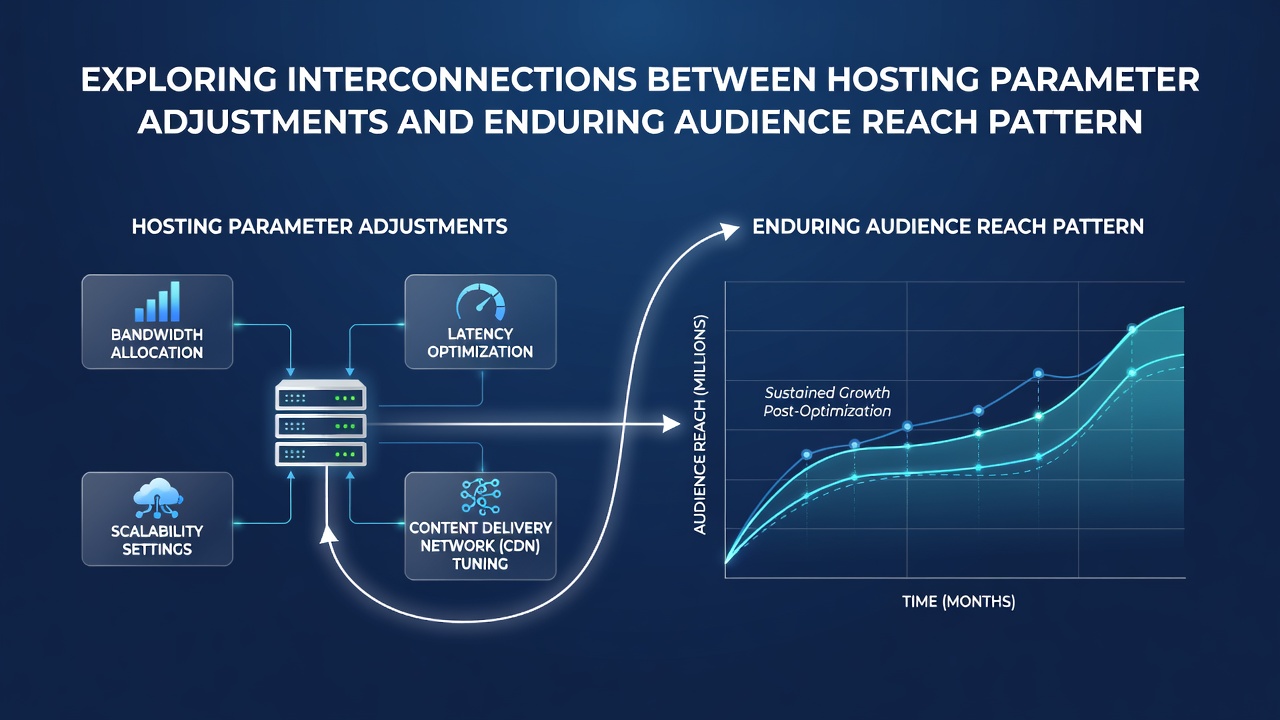
Seasonal fluctuations in reach often trace back to hosting capacity during peak periods, where scalable resource allocation prevents throttling that disrupts user sessions. Studies conducted by academic research groups have tracked these interconnections across thousands of domains, finding that proactive parameter scaling in anticipation of traffic surges preserves ranking continuity through high-demand intervals. Those who monitor these metrics observe that gradual adjustments produce smoother audience curves than sudden overhauls.
Documented Interconnections and Measurement Approaches
Quantitative links appear when tracking tools correlate hosting log data with analytics outputs, showing how reduced error rates in server responses align with extended average session lengths. A report issued by the Australian Bureau of Statistics on digital infrastructure highlights that optimized hosting environments contribute to measurable gains in national website engagement statistics over multi-year observation windows. Similar patterns surface in North American datasets where CDN integration parameters directly influence cross-device reach durability.
European Union digital economy reviews further document that adjustments in bandwidth allocation and edge server placement sustain audience metrics amid shifting regulatory requirements on data flows. These findings underscore how parameter refinements interact with algorithmic preferences for reliable infrastructure, creating feedback loops that either reinforce or diminish long-term visibility depending on consistency levels.
Developments Projected for September 2026
Industry monitoring groups anticipate that expanded adoption of IPv6 hosting parameters will intersect with audience reach tracking systems by September 2026, potentially standardizing faster resolution times across global networks. Regulatory updates expected around that period may require additional logging configurations that hosting providers will need to integrate without interrupting service continuity. Data collection efforts underway suggest these changes could stabilize reach patterns for sites that adapt caching and routing rules in advance, based on preliminary simulations from research institutions.
Conclusion
Interconnections between hosting parameter adjustments and enduring audience reach patterns rest on verifiable performance correlations that researchers continue to quantify through extended observation periods. Consistent application of configuration changes supports stable metrics when aligned with user behavior data and search system requirements. Ongoing measurement remains essential as infrastructure evolves toward the milestones projected for September 2026 and beyond.