Gisela Washington · 10 September 2026
Navigating Technical Shifts in Content Delivery Networks for Sustained Online Visibility
Content delivery networks have undergone repeated technical transformations over the past decade, and observers note that these changes directly influence how websites maintain search visibility and user reach. Data from industry reports shows that organizations relying on outdated CDN configurations experience measurable drops in page load performance, which search algorithms factor into ranking decisions. Researchers at various institutions continue to track how protocol upgrades, caching algorithms, and geographic distribution models alter the speed and reliability of content delivery across regions.
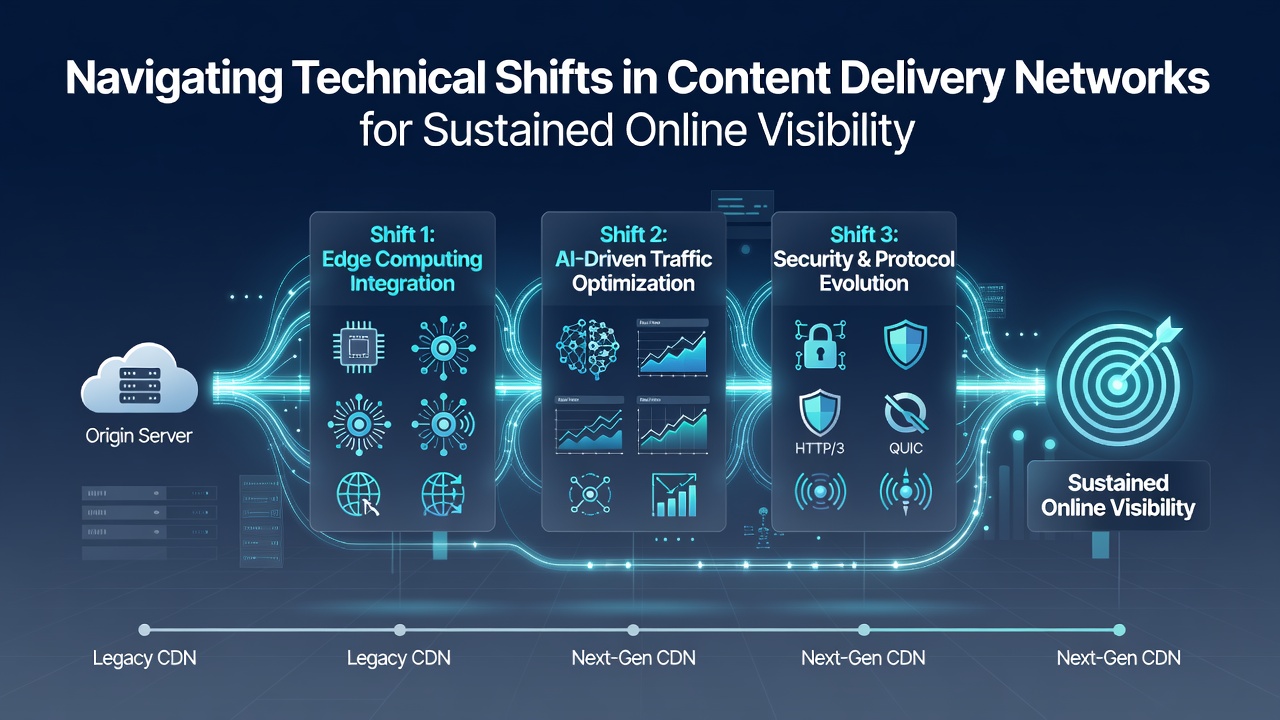
Technical shifts in CDNs often center on the transition from traditional centralized servers to distributed edge computing architectures, and this movement gained further momentum heading into 2025. According to figures released by network infrastructure analysts, edge nodes now handle more than 60 percent of global web traffic in many sectors, reducing latency by routing requests to servers physically closer to end users. Those who manage large-scale sites have observed that failing to adapt to these distributed models can result in slower response times, particularly during peak hours when centralized systems become congested.
Core Technical Changes Reshaping CDN Performance
Protocol advancements such as the widespread adoption of HTTP/3 and QUIC represent one of the most significant updates affecting content delivery networks. These protocols replace older TCP-based connections with faster, more resilient alternatives that handle packet loss more efficiently while maintaining encryption by default. Studies conducted by academic research groups indicate that sites implementing HTTP/3 through their CDN providers record average improvements in time-to-first-byte metrics, an element that search engines incorporate when evaluating page experience signals.
Another notable development involves the integration of machine learning into caching and routing decisions. CDN providers now deploy predictive models that analyze traffic patterns in real time, preemptively positioning content at edge locations before demand spikes occur. Evidence gathered from multiple network operators demonstrates that these AI-assisted systems decrease cache miss rates compared with static rule-based approaches, which in turn supports consistent visibility for time-sensitive content such as news articles or promotional material.
Impact on Search Visibility and User Reach
Search engines evaluate websites partly through technical performance indicators, and CDN configuration plays a direct role in meeting those criteria. Core web vitals measurements, including largest contentful paint and cumulative layout shift, often improve when organizations migrate to modern CDN setups that support efficient asset delivery and compression. Data compiled by web performance monitoring services reveals that sites achieving sub-two-second load times across mobile connections tend to retain higher positions in competitive search results over extended periods.
Security features embedded within contemporary CDNs also contribute to sustained online visibility. Distributed denial-of-service protection and web application firewalls integrated at the edge help prevent downtime that could otherwise trigger search engine penalties or loss of indexed pages. In September 2026, updates to several major CDN platforms are scheduled to introduce enhanced bot management capabilities, which analysts expect will further influence how automated traffic affects perceived site quality.
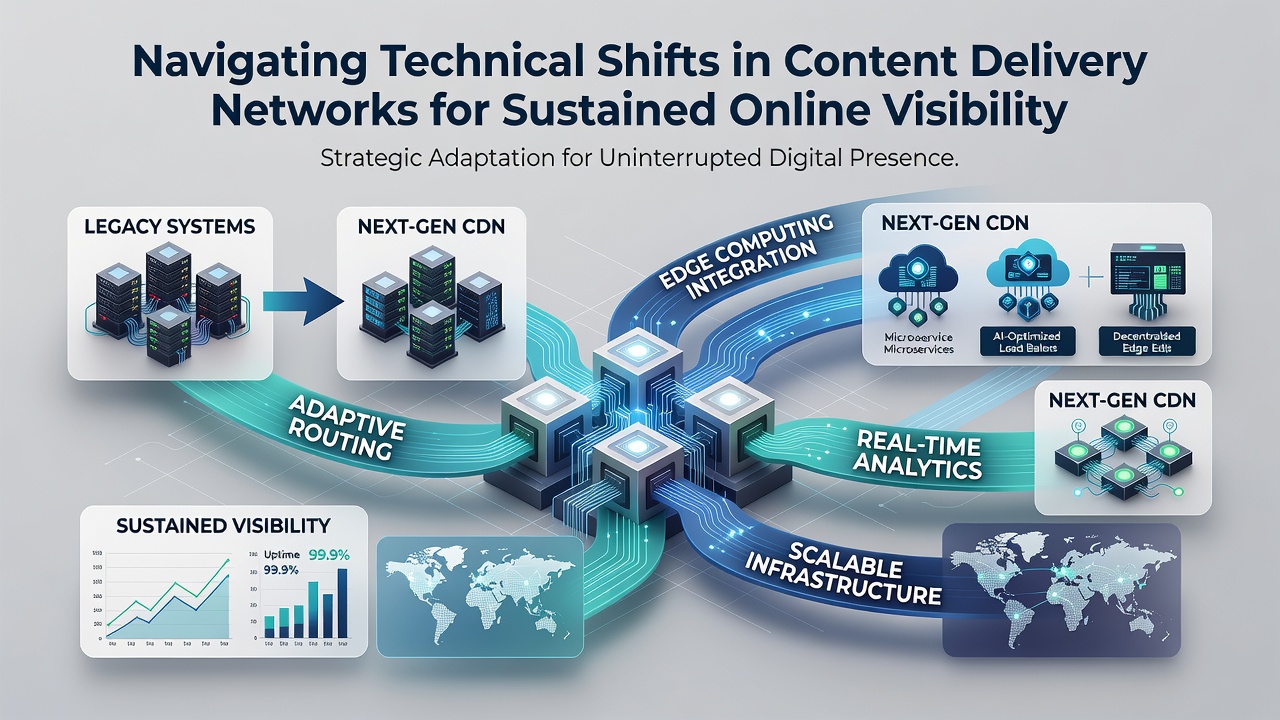
Geographic distribution of edge servers has become increasingly important for organizations targeting international audiences. When CDN infrastructure aligns poorly with user locations, latency increases and bounce rates rise, both of which send negative signals to ranking systems. Research from European digital infrastructure studies shows that regions with denser edge node coverage experience more stable visibility outcomes for local language content, whereas sites depending on distant origin servers face greater fluctuation during algorithm updates.
Strategic Adjustments for Long-Term Stability
Organizations navigating these technical shifts typically begin by auditing current CDN configurations against emerging standards. This process includes verifying support for modern protocols, reviewing cache expiration policies, and testing failover mechanisms across multiple geographic zones. Reports from the National Institute of Standards and Technology emphasize the importance of aligning network security practices with performance optimization, noting that both elements affect overall digital resilience.
Regular monitoring of performance metrics allows teams to detect degradation early and implement adjustments before visibility declines become pronounced. Tools that track real-user measurements provide granular data on how CDN changes influence different audience segments, enabling targeted optimizations rather than broad overhauls. Those managing enterprise-scale properties often maintain relationships with multiple CDN providers to ensure redundancy and to compare performance across varied network conditions.
Content delivery networks continue to evolve in response to increasing demands for speed, security, and scalability. Observers tracking these developments note that sustained online visibility depends on proactive adaptation to protocol updates, edge computing expansions, and intelligent traffic management systems. Organizations that maintain current infrastructure while monitoring performance indicators position themselves to preserve search rankings and audience engagement amid ongoing technical transitions.
Conclusion
Technical shifts within content delivery networks require ongoing attention from those responsible for maintaining website performance and search presence. As protocols advance and distribution models expand, measurable impacts on load times and reliability continue to influence how search engines assess site quality. Data indicates that organizations addressing these changes through systematic audits and performance tracking achieve more consistent visibility outcomes across evolving network landscapes.