Gisela Washington · 22 October 2026
Tracing Audience Loyalty Trends in Specialized Professional Platforms During Infrastructure Transitions
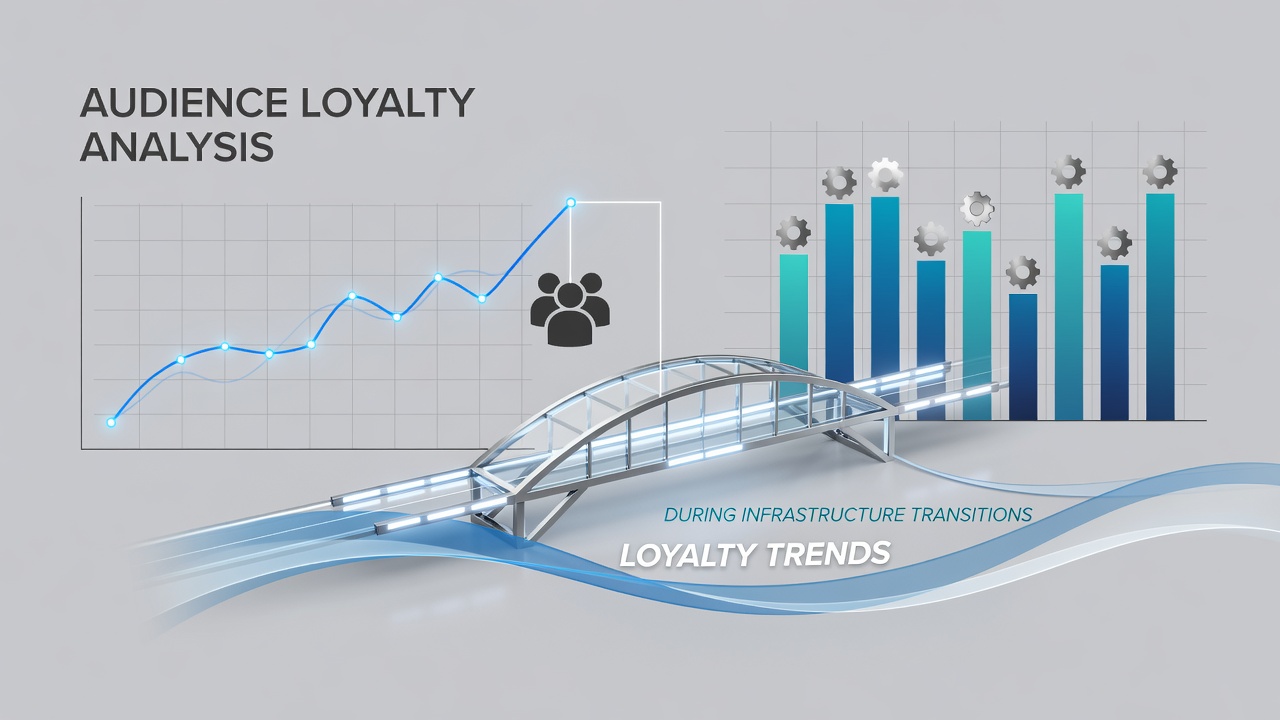
Specialized professional platforms such as those serving healthcare providers, legal practitioners, and engineering communities undergo infrastructure transitions that include server migrations, database optimizations, and system architecture updates, and these changes often coincide with measurable shifts in user engagement patterns. Data from multiple sectors indicate that audience loyalty, defined through metrics like session frequency, content contribution rates, and long-term account activity, responds to such transitions in ways that researchers track through longitudinal studies.
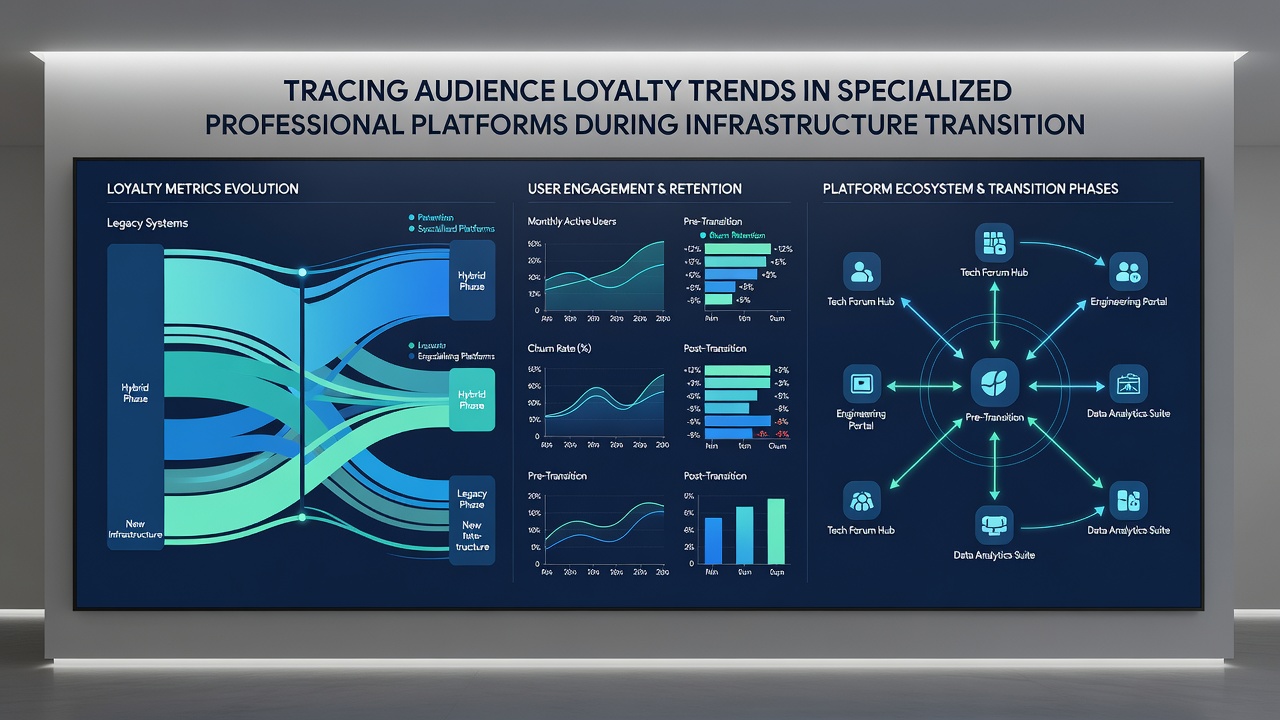
Analyses conducted between 2023 and 2025 reveal that platforms experiencing backend upgrades frequently observe an initial dip in daily active users followed by stabilization or recovery within four to eight weeks when communication with members remains consistent. Figures from industry monitoring services show retention rates dropping by an average of 12 percent in the first two weeks post-transition before rebounding as users adapt to new interface elements or performance improvements.
Measuring Loyalty Through Behavioral Indicators
Observers track loyalty via several quantitative markers that include repeat visit intervals, depth of profile interactions, and participation in discussion forums or resource libraries. Research indicates that specialized platforms maintain higher baseline loyalty compared with general social networks because members rely on them for credential verification, peer networking, and access to sector-specific knowledge bases.
Studies from academic institutions highlight that during infrastructure adjustments, platforms see variations in these indicators depending on the scope of the change. Minor updates to content delivery systems correlate with smaller fluctuations, whereas full-scale hosting relocations produce more pronounced effects on user return rates. One dataset compiled across European professional networks demonstrated that members who received advance notifications about scheduled downtime exhibited 18 percent higher post-transition activity levels than those who did not.
Patterns Observed Across Different Professional Sectors
Healthcare-focused platforms display distinct loyalty responses during transitions because users require uninterrupted access to compliance documentation and continuing education modules. Records from 2024 show that such platforms experienced slower recovery curves when updates affected search functionality or secure messaging tools, with full engagement restoration taking up to ten weeks in documented cases.
Legal and financial service platforms, meanwhile, demonstrate resilience tied to regulatory reporting requirements that keep members returning regardless of temporary disruptions. Data collected through 2025 indicates these sectors maintain loyalty metrics above 75 percent even amid infrastructure modifications, provided core authentication systems remain operational throughout the process.
Role of Communication and Transparency in Retention
Communication strategies employed before and during transitions influence loyalty outcomes according to multiple reports. Platforms that publish detailed timelines and expected benefits on dedicated status pages record steadier user bases. Evidence suggests that transparent updates reduce support ticket volume by up to 30 percent while preserving trust levels among long-term members.
Geographic variations appear in these responses as well. Platforms operating under Australian digital infrastructure guidelines report different adaptation speeds compared with those following North American standards, largely because regulatory expectations around data continuity shape how transitions are executed and communicated. A 2025 cross-regional comparison found that members in regions with stricter uptime mandates experienced fewer loyalty disruptions overall.
Data Sources and Emerging Trends Through Late 2026
Reports compiled by research organizations continue to document these dynamics as platforms prepare for further modernization efforts scheduled through 2026. As of October 2026, several specialized networks have begun implementing phased infrastructure upgrades that incorporate enhanced analytics dashboards, allowing administrators to monitor loyalty indicators in real time during the process. Pew Research Center findings on digital platform usage patterns provide context for these ongoing developments across multiple countries.
Additional insights emerge from European Commission assessments of digital service continuity, which emphasize the importance of maintaining consistent user experiences amid technical upgrades. Platforms that integrate these considerations into transition planning show sustained contribution rates from core member groups.
Conclusion
Tracing audience loyalty trends during infrastructure transitions on specialized professional platforms reveals consistent patterns across sectors, with measurable impacts on engagement that resolve over defined recovery periods when supported by clear communication and stable core functions. Data collected through 2026 continues to inform how platforms approach future system changes while preserving member participation levels.